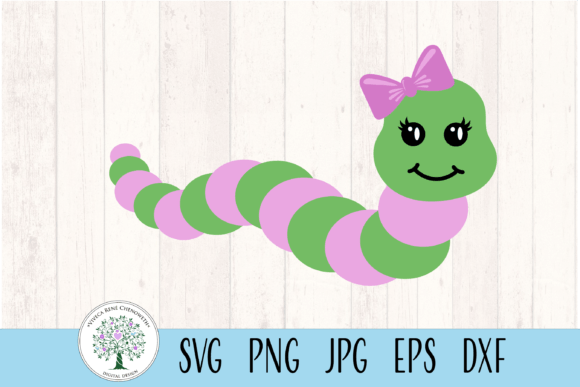
Cute Girl Bookworm, Book Lover, Reading: Whimsy That Works—Not Just Cuteness
There’s a reason educators, crafters, and small business owners keep returning to the Cute Girl Bookworm, Book Lover, Reading design: it balances charm with real-world function. This isn’t just another clipart caterpillar—it’s a thoughtfully sized, classroom-ready, machine-cutting-optimized illustration of a smiling girl curled up like a wiggle worm, surrounded by open books and soft whimsy. Designed for younger readers but loved across age groups, it bridges literacy encouragement and hands-on creativity—whether you’re labeling reading goals, personalizing student tote bags, or building a themed teacher resource bundle.
What People Often Misunderstand About This Design
Many assume “cute” means “simple to use”—but that’s where assumptions start causing delays, wasted material, or mismatched expectations. The biggest oversight? Treating this as generic clipart rather than a purpose-built digital asset. It’s not just a JPG; it’s a multi-format package built for precision and flexibility. When users skip reading the file specs—or download without checking their software compatibility—they risk opening an SVG in a program that doesn’t support vector scaling, or trying to resize a JPG beyond its 300 dpi limit and ending up with pixelation on a large mug or wall decal.
Another common misstep: using the 8.5" × 11" JPG for intricate cutting projects. While perfect for printable reading center posters or sublimation transfers onto light-colored mugs, that same JPG won’t cut cleanly on a Cricut or Silhouette without vector conversion—and even then, results vary. The included SVG is the go-to for clean cuts, especially when layering text or nesting names inside the bookworm shape for personalized reading charts.
Why Format Choice Matters More Than You Think
Let’s be clear: not all file types behave the same way across platforms. If you’re using Cricut Design Space, the SVG loads instantly with editable layers and color separation—ideal for multi-material projects (e.g., a felt bookworm layered over vinyl text). But if you’re working in Adobe Illustrator for print layouts, the high-res JPG gives you consistent color fidelity at 300 dpi, while the SVG preserves scalability without quality loss for logos or scalable signage.
A real-world example: A homeschool mom tried printing the JPG onto iron-on transfer paper for t-shirts—great idea—but used a home inkjet instead of a heat-transfer printer calibrated for fabric. The result? Faded outlines and muddy colors. Switching to the SVG and using Cricut’s Print Then Cut workflow with proper transfer settings gave her crisp, vibrant results in under 10 minutes. The difference wasn’t the design—it was matching the format to the tool and process.
What to Check Before You Download or Cut
Before adding Cute Girl Bookworm, Book Lover, Reading to your cart—or before loading it into your design software—take two minutes to verify these three things:
- Your software version: Older versions of Silhouette Studio (prior to V5) may not fully support embedded color profiles in the SVG. Open the file first in a free viewer like SVGOMG or Inkscape to confirm layers and transparency render correctly.
- Your output method: Are you printing, cutting, sublimating, or embroidering? For sublimation, stick with the JPG—it’s RGB-optimized and sized for standard blanks. For cutting vinyl or cardstock, use the SVG and disable “cut lines” on non-outlined elements unless intentional.
- Your project scale: At 8.5" × 11", the design fits standard letter-size sheets—but if you’re making tiny bookmarks or enamel pins, scale down *before* exporting from your design app. Resizing after export (especially JPGs) degrades clarity.
How Educators and Makers Actually Use This Design Well
Teachers aren’t just slapping it on bulletin boards. One second-grade team uses the SVG to create interactive “Reading Worm” progress trackers: each student gets a laminated worm segmented into six parts, and they earn a new book-themed sticker for each chapter book completed. Because the SVG imports cleanly into Canva, they added editable name fields and exported individualized PDFs—no manual typing.
Small business owners use the same files differently: a boutique stationer layered the bookworm SVG over hand-lettered quotes in Procreate, then exported as PNGs for greeting cards. A children’s apparel brand combined it with coordinating fonts and textures in Illustrator to build a full seasonal collection—totes, tees, and stickers—all pulling from the same cohesive source.
Avoiding the “Too-Cute Trap” in Your Projects
Whimsy works best when it serves a purpose—not distracts from it. A common mistake is over-decorating reading logs or goal charts with too many elements, making them visually busy or hard to read. With Cute Girl Bookworm, Book Lover, Reading, less often lands stronger: try pairing it with ample white space, a single bold font, and one accent color (like deep teal or warm terracotta) for consistency and calm focus.
Also worth noting: the design intentionally avoids overly gendered cues—no frills, no pink overload, no stereotyped poses. It invites all young readers in, which matters whether you’re designing for a diverse classroom, inclusive library program, or broad-market Etsy listing.
Final Thought: It’s Not Just a File—It’s a Starting Point
The value of Cute Girl Bookworm, Book Lover, Reading isn’t locked in the zip folder. It’s in how easily it adapts—from a quiet classroom anchor to a vibrant small-business product line. What makes it reliable isn’t just its cuteness, but its technical readiness: 300 dpi resolution, RGB color accuracy, vector precision, and cross-platform compatibility. When you match those strengths to your actual tools and goals—not just your Pinterest board—you save time, reduce rework, and create things people actually want to hold, wear, or learn from.
So yes, it’s adorable. But more importantly? It’s engineered to work.