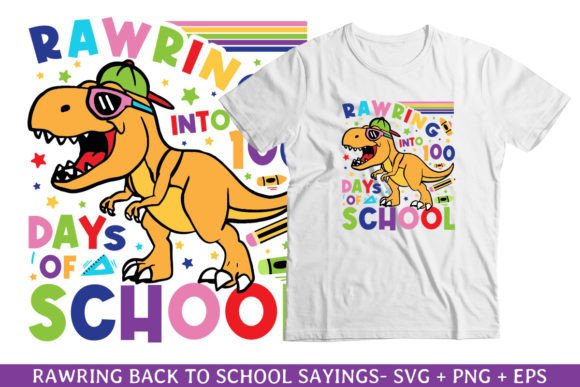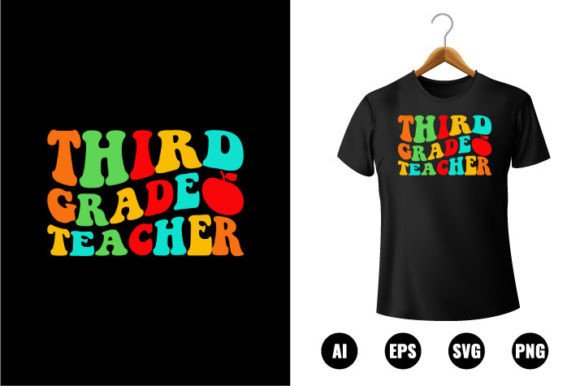
Boho Teacher PNG, Educate PNG, Teacher — Clear, Transparent, Ready for Real Projects
If you're designing teacher-themed apparel, classroom decor, or back-to-school merch—especially for sublimation—you’ve likely searched for terms like Boho Teacher PNG, Educate PNG, or Teacher of Tiny Humans PNG. These aren’t just decorative clipart; they’re functional design assets built for real-world use. But not all PNGs labeled “boho teacher” or “educate png” deliver what creators actually need—and that mismatch is where good intentions meet frustrating results.
What This Isn’t (And Why That Matters)
First: this is not an SVG file. If your project requires vector scalability—like large-format vinyl cutting or intricate embroidery digitizing—a PNG won’t grow cleanly beyond its original resolution. That’s not a flaw—it’s a format boundary. A Boho Teacher PNG with transparent background is optimized for raster-based workflows: sublimation on mugs or t-shirts, digital classroom slides, printable posters, or Canva-based social graphics. Confusing PNG with SVG leads to blurry prints, pixelated enlargements, or wasted time troubleshooting scaling issues.
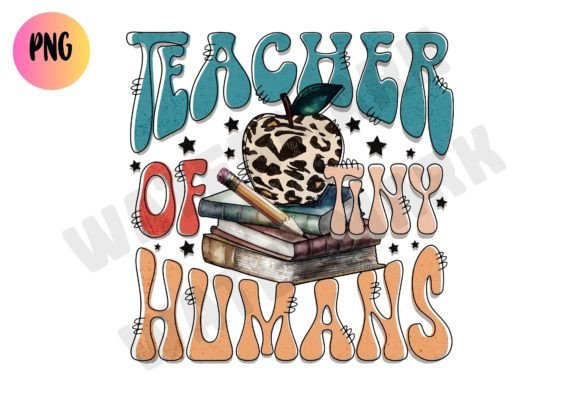
Second: watermarks are temporary. You’ll see them on preview images—but they’re removed automatically in your downloaded file after checkout. Some buyers assume the watermark stays, then hesitate to print or sublimate. It doesn’t. Your final Teacher PNG arrives clean, with full transparency, ready to layer over colors, patterns, or photos without clipping or white edges.
Common Oversights—And How They Cost Time and Confidence
Mistake #1: Assuming “back to school PNG” means classroom-ready sizing. Not all files are created equal. A 500×500 px Back to School PNG may look fine on screen but won’t hold detail when sublimated onto a 12×16 inch tote bag. Always check the actual dimensions and DPI (dots per inch) listed in the product description—not just the thumbnail. For sublimation, aim for at least 3000×3000 px at 300 DPI for standard apparel sizes. Smaller files work for digital use or small prints (like stickers or planner icons), but not for heat-transfer clarity.
Mistake #2: Skipping the transparency test before printing. Even if a listing says “transparent background,” some PNGs contain faint gray halos, anti-aliased fringes, or embedded shadows. Open your downloaded Teacher of Tiny Humans PNG in a program like Photoshop, GIMP, or even PowerPoint—then place it over a bright red or deep blue background. If you see subtle outlines or color bleeding around the edges, that file wasn’t properly isolated. Reputable sellers pre-check this. If yours doesn’t pass the contrast test, reach out before printing batches.
Mistake #3: Using boho-themed art without considering audience tone. “Boho” isn’t one style—it’s a spectrum. One Boho Teacher PNG might feature delicate line art and sage green accents; another could lean into bold florals and terracotta warmth. Match the aesthetic to your audience: minimalist educators may prefer subtle, monochrome designs; preschool teachers often love playful textures and soft curves. Choosing based only on “boho” as a keyword—not mood, line weight, or color harmony—can make your final product feel disconnected from its purpose.
What to Verify Before Downloading or Designing
- File format confirmation: Double-check the download includes only .PNG—not JPEG, BMP, or ZIP-with-mixed-formats. A true Educate PNG has no background layer.
- Resolution suitability: Ask yourself: “Will this be printed on a t-shirt, mug, notebook, or used digitally?” Then confirm the file meets that use case’s minimum size. When in doubt, choose the highest-res version offered—even if you don’t need it now. Upscaling later isn’t possible.
- Licensing clarity: Most personal-use Back to School PNG files allow sublimation for small-batch sales (e.g., Etsy shop items), but commercial redistribution (like selling the PNG itself) usually isn’t permitted. Read the license summary—not just the title—before launching a product line.
- Color mode: RGB is standard for digital display and sublimation printers. CMYK files may shift unexpectedly on fabric or ceramic. Your Boho Teacher PNG should be RGB unless explicitly noted for professional offset printing.
Better Choices Start With Intentional Use
Instead of grabbing the first “teacher png” that appears in search, pause and ask: What’s the end goal? If you’re making matching shirts for a kindergarten team, prioritize cohesive styling across multiple designs—so a Teacher of Tiny Humans PNG pairs well with a “Tiny Humans Welcome Here” banner. If you’re building a Canva template library for fellow educators, choose PNGs with consistent stroke weights and spacing so elements align cleanly across slides and handouts.
Also consider practical workflow fit. Some designers import PNGs directly into Cricut Design Space or Silhouette Studio—but those platforms handle transparency differently than Photoshop or Procreate. Test one file first: drag it into your software, place it over a colored shape, and zoom in. Does the edge stay crisp? Does it resize smoothly? If not, contact the seller for a re-exported version—they’ll often provide an alternate file without extra charge.
No Physical Items—Just Reliable Digital Craftsmanship
You won’t receive a box, a USB drive, or printed samples. What you get is something more valuable for creators: immediate access to a high-fidelity, production-ready asset. Because it’s downloadable, you control timing, revisions, and integration—no shipping delays, no inventory tracking, no customs fees. And because it’s a transparent-background PNG, you can composite it thoughtfully: over watercolor textures for a handmade vibe, against gradient overlays for modern energy, or layered with handwritten fonts for authenticity.
That flexibility only works when the file is technically sound. So when you see “Boho Teacher PNG, Educate PNG, Teacher”—look past the keywords. Check resolution specs. Preview transparency. Confirm licensing scope. Then create with confidence—not correction.