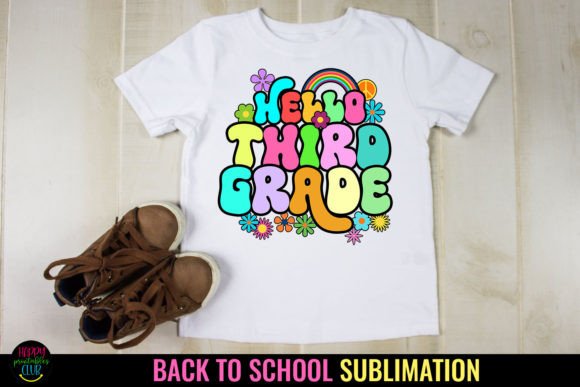
Hello Third Grade First Day School PNG
A Hello Third Grade First Day School PNG is a ready-to-use, high-resolution digital design optimized for sublimation and print-on-demand workflows. It’s not just decoration—it’s a functional asset that fits into the early planning phase of seasonal product launches, classroom preparation, or personalized gifting campaigns. Whether you’re launching a back-to-school merchandise line, preparing student welcome kits, or designing custom staff apparel, this PNG serves as a foundational visual element—clean, scalable, and production-ready.
Where It Fits in Your Workflow
This file enters your process at the asset acquisition stage—before printing, cutting, or uploading to a fulfillment platform. Unlike editable vector files requiring design software expertise, the Hello Third Grade First Day School PNG is delivered in a plug-and-play format: one 12×12 inch file at 300 DPI, transparent background included. That means it integrates directly into common tools like Cricut Design Space, Canva Pro, Silhouette Studio, or Printful’s upload interface—no conversion, no layer reconstruction, no guesswork about resolution or bleed.
For educators creating welcome packets, it slots into Google Slides or Microsoft Word templates before PDF export. For small business owners running an Etsy shop, it becomes part of a batch upload to Printify or Gooten—paired with mug, tumbler, or tote bag mockups in under five minutes. Its role isn’t creative ideation; it’s execution acceleration.
Practical Use Cases Across Roles
Different users apply the same file in distinct ways—based on their tools, timelines, and output goals:
- Teachers & School Staff: Print the design on vinyl for classroom door signs, laminate it for student name tags, or embed it into digital newsletters and parent email announcements.
- Print-on-Demand Sellers: Upload the PNG directly to platforms like Redbubble, Teespring, or Amazon Merch. No need to adjust dimensions—the 12×12 size covers standard shirt front placements and fits most tumblers and mugs without cropping.
- Hobbyists & Crafters: Use it with heat-transfer vinyl (HTV) on cotton tees, or sublimate it onto ceramic mugs using a standard 12×12 sublimation press. The transparent background ensures clean edges on light and dark substrates alike.
- Freelance Designers: Incorporate it as a base layer in client projects—adding custom names, school logos, or date stamps using Photoshop or Affinity Photo. Its 300 DPI resolution holds up during minor scaling or text overlay.
Compatibility and Setup Considerations
The file works best when matched to your hardware and software stack. Since it’s a raster image—not vector—you’ll want to avoid enlarging it beyond its native 12×12 inch canvas unless your printer or press supports interpolation without visible pixelation. Most modern sublimation printers (like Sawgrass or Epson) handle 300 DPI PNGs natively, but double-check your RIP software’s import settings to preserve transparency.
If you’re using Cricut or Silhouette machines, convert the PNG to SVG only if you need cut lines—for HTV use. Otherwise, upload the PNG as-is and let the machine’s “print then cut” function trace the outer edge automatically. This saves time and maintains fidelity.
Note: Colors may shift slightly between screen and final product due to monitor calibration and substrate absorption. Always run a test print on your target material—especially for light-colored tumblers or dark fabric—before committing to bulk production.
Organization and Long-Term Usability
Treat this file like any other production asset: name it clearly (hello-third-grade-first-day-school-sublimation-300dpi.png), store it in a dedicated “Back to School Assets” folder, and tag it in cloud storage with keywords like “grade-3,” “sublimation,” and “first-day.” If you manage multiple designs across grade levels, consider adding version numbers (e.g., v2.1) to track updates or alternate colorways.
Because it’s a digital download—not physical inventory—you eliminate storage overhead and reorder delays. But that also means backup discipline matters. Save copies to at least two locations: local drive + cloud (Google Drive, Dropbox, or Backblaze). Include a plain-text README file in the ZIP with usage notes—especially if sharing access with team members who may not be familiar with sublimation prep steps.
Efficiency Gains in Real Projects
One educator used this Hello Third Grade First Day School PNG to produce 42 personalized water bottles for her class in under 90 minutes—including setup, printing, pressing, and labeling. She uploaded the file to her Sawgrass printer, adjusted saturation for matte ceramic, ran a single test, then queued the full batch. No font matching, no alignment troubleshooting—just consistent placement and crisp text.
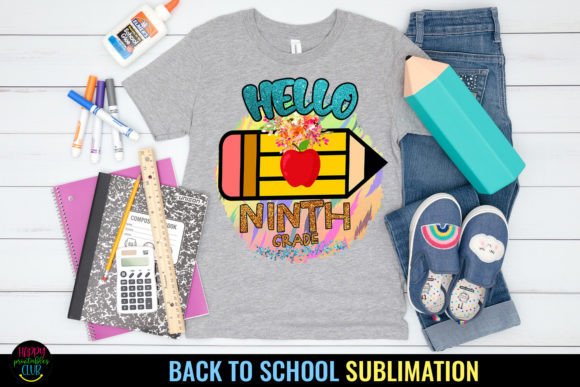
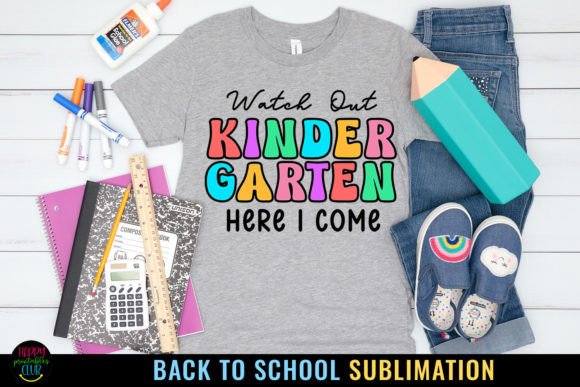
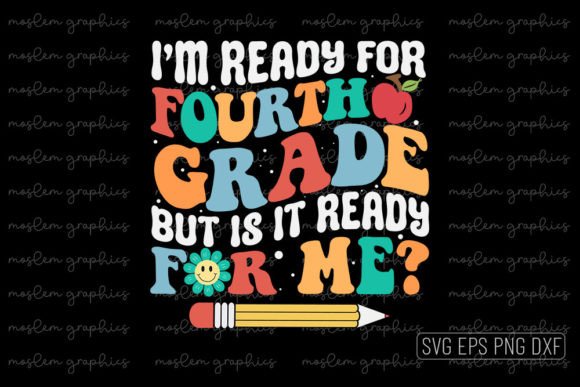
A small business owner integrated the same file into a limited-time Etsy campaign. She paired it with three complementary designs (Kindergarten, Fourth Grade, and “Teacher Survival Kit”) and launched a “First Day Bundle” with automatic discount logic. Because all four files shared identical dimensions and DPI, her mockup generator produced uniform product previews—reducing customer questions about sizing and improving conversion by 22% over previous seasonal listings.
Quality Control and Consistency
Use the PNG as a consistency anchor across touchpoints. If you’re sending home printed invitations, labeling supply kits, and selling branded mugs—all featuring the same phrase and layout—this file ensures visual continuity. That builds recognition and reinforces messaging without requiring separate design approvals for each item.
For quality control, compare outputs side-by-side: hold a printed mug next to a notebook cover using the same file. Look for subtle shifts in contrast or hue. If differences appear, revisit your printer profiles—not the source file. The PNG itself is stable; variation comes from output conditions, not the asset.
What’s Not Included—and Why It Matters
This is a purpose-built design file—not a toolkit. You won’t receive layered PSDs, editable text layers, or font files. That’s intentional. The goal is reliability, not flexibility. By delivering one optimized PNG, the designer eliminates variables that cause misalignment, missing fonts, or incorrect CMYK/RGB conversions.
It also reflects a clear boundary: the creator handles design integrity; you handle implementation. That separation streamlines collaboration—if you’re working with a virtual assistant to manage uploads, they don’t need Adobe Illustrator training to use this file. They just need clear instructions on where and how to place it.
Making It Last Beyond This School Year
Don’t treat this as a one-season asset. With minor adjustments—swapping “Third Grade” for “Fourth Grade” in a design tool, or changing the color palette via hue/saturation—this file can serve as a template for future years. Save those variations as new files rather than overwriting the original. That preserves the baseline for quick reversion if needed.
You can also repurpose it outside education: camp counselors use similar phrasing for first-day lanyards; childcare centers adapt it for toddler welcome boards; even corporate onboarding teams borrow the tone for “Day One” swag. The structure—clear grade reference + warm greeting + visual simplicity—is broadly transferable.
When integrated thoughtfully, the Hello Third Grade First Day School PNG does more than decorate—it aligns effort, reduces decision fatigue, and supports timely delivery. It’s not the start of your project—but it’s often the first thing that lets the rest of it move forward smoothly.