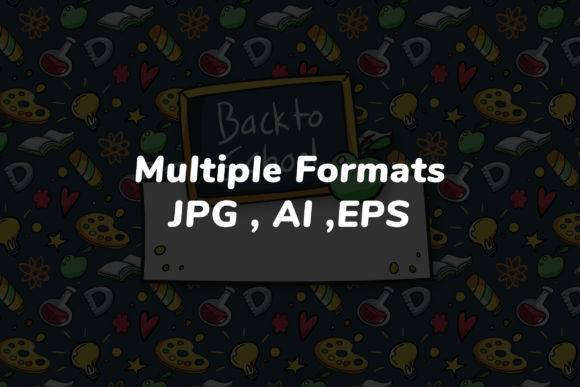
Back School Seamless Pattern Black Back
Imagine walking into a classroom where the walls don’t just hold posters—they breathe energy, focus, and calm. Or picture a homeschool corner that feels intentional, not improvised. Or a school district’s digital onboarding portal where every background subtly reinforces belonging and readiness. At the heart of these spaces is often something quiet but powerful: a Back School Seamless Pattern Black Back. It’s not just “black.” It’s a thoughtfully engineered, repeatable design element—deep, grounded, and versatile—that serves as both foundation and frame for back-to-school creativity.
What This Pattern Actually Is (and Why “Seamless” Matters)
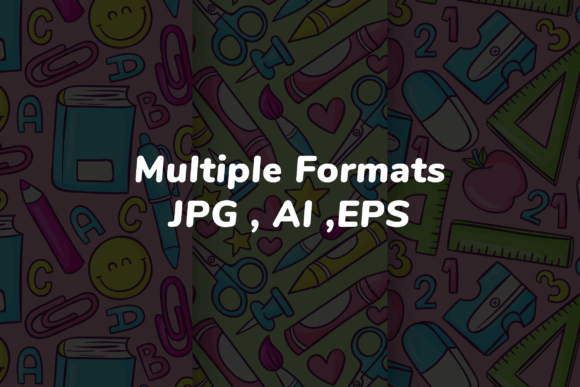
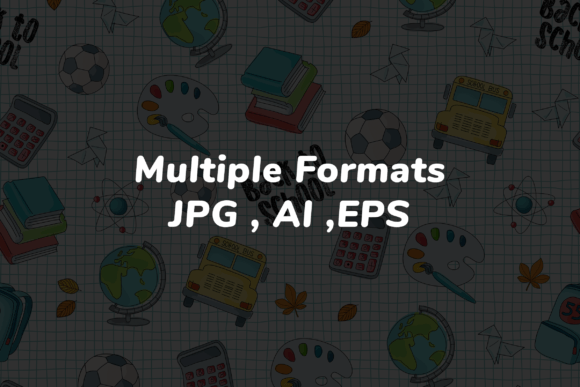
A Back School Seamless Pattern Black Back is a high-resolution, tileable graphic with a rich black base—often layered with subtle textures, faint geometric lines, soft chalkboard grain, or whisper-thin school-themed motifs (think tiny pencils, open books, or minimalist graduation caps). “Seamless” means it repeats edge-to-edge without visible breaks—critical whether you’re covering a 4’x8’ bulletin board or filling a 3000-pixel-wide website banner. Unlike solid black, which can feel flat or sterile, this pattern adds depth and quiet visual interest while keeping attention where it belongs: on student work, lesson materials, or branded messaging.
Where It Shows Up—and Why It Works
This isn’t a decorative afterthought. It’s a functional tool used across real settings—each with its own unspoken need:
- Classroom teachers use it as a digital backdrop for Google Slides presentations, Zoom virtual backgrounds, or printable anchor charts. One 5th-grade teacher in Austin told us she swaps in a new variation each month—September’s has faint apple outlines; October’s adds tiny leaves—so students subconsciously register seasonal rhythm without needing verbal reminders.
- Homeschooling parents print it on matte photo paper to line the inside of a three-ring binder cover or laminate it as a durable desk mat. The black base minimizes glare under overhead lights, and the texture helps pens grip—not slide—when kids are sketching diagrams or practicing handwriting.
- School administrators apply it behind staff welcome signage, newsletter headers, or printed supply lists. Because it’s neutral yet intentional, it elevates everyday communication without competing with text—especially important when conveying deadlines, health updates, or equity initiatives.
- Educational designers and edtech teams embed it into LMS dashboards, parent portal logins, or digital report card interfaces. Its consistency across devices helps reduce cognitive load: users recognize “this is our space” before they even read the first word.
Who Benefits—and How Their Needs Differ
The value shifts depending on who’s using it—and why:
A special education paraprofessional might choose a version with ultra-subtle horizontal guides (barely visible, spaced at 0.5-inch intervals) to help students align written responses on printed worksheets—no extra instruction needed, just built-in support. Meanwhile, a high school art teacher may layer student-drawn icons over the same base pattern to create rotating gallery walls—where the consistent background lets diverse styles coexist without visual chaos.
For PTA volunteers designing spirit week flyers, the black base ensures bright colors pop without bleeding or washing out. For school counselors printing social-emotional learning handouts, the texture provides gentle visual “grounding”—a small but meaningful cue during emotionally charged conversations.
Practical Things to Consider Before You Use It
Not all black patterns serve the same purpose. Here’s what experienced users watch for:
- Resolution & scalability: If you plan to print large-format banners or project onto a wall, confirm the file is at least 300 DPI at full size—or offered as a vector/SVG option. A low-res JPEG stretched across a whiteboard will pixelate and undermine credibility.
- Color accuracy: “Black” varies widely—some lean cool (bluish), others warm (brownish), and many have hidden undertones. Order a physical swatch or test-print a small section if matching existing paint, furniture, or brand guidelines matters.
- Layering compatibility: Will you add text, photos, or icons on top? Check contrast ratios. Some textured versions make light-colored type harder to read at a glance—especially for neurodiverse learners or older staff members. Test with real content, not just mockups.
- Licensing scope: If you’re using it for a district-wide initiative (e.g., all 12 elementary schools), verify whether your license covers multiple users, physical + digital use, and derivative works—like adding your school mascot to the pattern.
Strengths That Make It Worth Choosing
What keeps educators coming back to Back School Seamless Pattern Black Back? Three things stand out:
- It reduces decision fatigue. When you’ve already chosen a reliable, adaptable base, you spend less time debating fonts, borders, or color palettes—and more time planning lessons, supporting students, or collaborating with families.
- It signals care through consistency. Students notice when their environment feels cohesive—not pieced together. That quiet intentionality communicates: Your space matters. Your learning matters. We planned for you.
- It adapts without rework. A single pattern can support literacy night banners, IEP meeting handouts, library orientation slides, and cafeteria menu boards—all while reinforcing shared identity across departments and grade levels.
When It Might Not Be the Best Fit
That said, it’s not universal. In very low-light classrooms (e.g., windowless basement rooms), deep black can absorb too much ambient light—making screens harder to see or increasing eye strain during long reading blocks. Similarly, for early childhood settings where high-contrast visuals support visual tracking and attention, a lighter or more chromatic base may better serve developmental needs.
And if your school’s brand identity leans heavily into vibrant, saturated color—say, turquoise, coral, and sunflower yellow—a black-based pattern may clash unless intentionally balanced with generous white space and strategic accent hues.
Real Moments Where It Made a Difference
In a rural middle school with limited budget and aging facilities, staff used a Back School Seamless Pattern Black Back to refresh hallway displays. They printed it on affordable matte vinyl, applied it over scuffed cinderblock, then pinned student poetry and science fair photos directly onto it. The result? A space that felt cared for—not because it was expensive, but because it was *designed*.
A bilingual charter network adopted the same pattern across all digital touchpoints—from teacher-facing PD modules to Spanish/English family newsletters. Parents reported feeling “more confident navigating the system,” not because content changed, but because the consistent, calm background reduced uncertainty.
Even small moments count: a high school librarian uses it as the background for her weekly “Book Drop” email signature. No words needed—just the pattern, her name, and a QR code. Students recognize it instantly. It’s become part of the ritual.
Final Thought—It’s About Setting the Stage, Not Stealing the Spotlight
A Back School Seamless Pattern Black Back doesn’t teach phonics or calculate algebraic equations. But it does something just as vital: it holds space—visually, emotionally, and practically—for the work that does. Whether you're prepping a kindergarten circle time rug, designing a district-wide wellness campaign, or simply choosing what goes behind your “Welcome Back!” sign—it’s a quiet act of preparation. One that says, before the first bell rings: We’re ready. You belong here.